
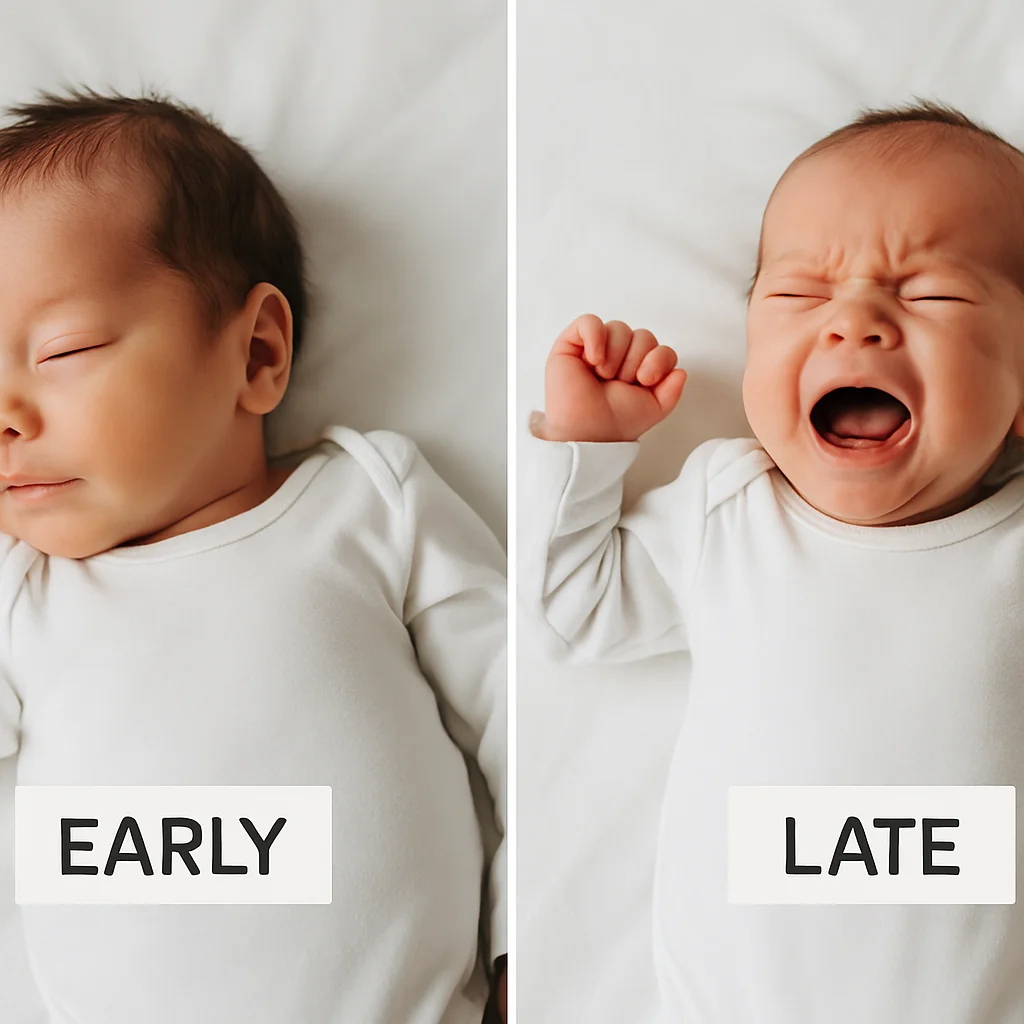
Understanding Newborn Sleep Cues: The Foundation of Rest
Let’s dive into something absolutely critical for any new parent: understanding your baby’s sleep cues. It sounds simple, doesn’t it? Just look for yawning, right? Well, as any seasoned parent will tell you, it’s often a lot more nuanced than that. The difference between recognizing early and late sleep cues can mean the difference between a peaceful transition to sleep and a full-blown crying meltdown. In my experience, this is where so many parents struggle, leading to frustration for both them and their little ones. We’re aiming for a sweet spot, a window of opportunity, and spotting those signs promptly is the key. Think of it as learning a new language – your baby’s language of sleep. The earlier you can ‘speak’ it fluently, the better everyone’s nights will be. We’re talking about building healthy sleep habits from day one, and that starts with observation and understanding.
The Subtle Art of Early Sleep Cues
So, what exactly are we looking for when we talk about early sleep cues? These are the very first, often subtle, signals your baby sends when they’re starting to feel tired. They haven’t reached the overtired stage yet, meaning they’re still relatively calm and receptive to being put down for sleep. Think of things like a slight glaze in their eyes, a brief pause in their play, or a sudden quietness. They might rub their eyes, but it’s not that frantic, desperate rubbing that comes later. Maybe they pull at their ears, or their movements become a little less coordinated. Sometimes, they might just stare blankly into space for a moment, almost like they’re zoning out. These are the ‘golden moments’ – the prime time to act. If you catch these, you can often soothe your baby into sleep with minimal fuss. It’s about being present and observant, noticing the tiny shifts in their behaviour. We’re not talking about a full-blown yawn yet, or the desperate fussing that signals they’ve missed the window. These are the gentle nudges, the whispers of tiredness.
Spotting the Overstimulated Baby: Late Cues in Action
On the flip side, we have the late sleep cues. These are the signs that your baby is not just tired, but overtired. They’ve missed that ideal sleep window, and now their system is flooded with stress hormones like cortisol, making it much harder to settle. This is when you’ll see the frantic eye-rubbing, the arching of the back, the sudden inexplicable crying that seems impossible to soothe. They might become hyperactive, kicking their legs and flailing their arms, almost like they’re trying to push sleep away. Grunting and fussing become more persistent and loud. They might turn their head away from stimulation, but they’re too agitated to actually fall asleep. This is the stage where parents often feel helpless, bouncing, rocking, and feeding, only to find the baby still distressed. It’s a sign that we’ve gone past the point of gentle persuasion and entered the realm of a baby struggling to cope with exhaustion. Recognizing these late cues is crucial, not to catch them, but to understand why they’re happening and to try and avoid them next time. It’s a learning curve, for sure.
The Critical Window: Why Timing Matters
The concept of a ‘sleep window’ is paramount when discussing early versus late cues. Think of it as a specific period where your baby is physiologically ready and willing to fall asleep. When they show early cues, they are comfortably within this window. This means their body is naturally winding down, their brain is signaling for rest, and they are amenable to the settling process. It’s a smooth transition. However, as time passes and these early cues are missed or ignored, the baby moves beyond this window. They become overtired, and their system shifts into overdrive. Instead of calm sleepiness, they experience a surge of adrenaline and cortisol. This makes it incredibly difficult for them to relax and drift off. It’s like trying to catch a train – you need to be at the station before it leaves. If you miss it, you’re left waiting for the next one, and the journey becomes much more challenging. This is why understanding and acting on those initial, subtle signs is so vital for establishing healthy sleep patterns. It’s not about forcing sleep, but about facilitating it when your baby is naturally inclined towards it.
Comparing Early and Late Cues: A Practical Overview
Let’s break down the differences in a way that’s easy to digest. It’s not always black and white, but there are distinct patterns. Early cues are often subtle and brief. Think of a fleeting yawn, a momentary quietness, or a slight decrease in activity. These are the ‘gentle hints’. Late cues, on the other hand, are usually more intense and persistent. We’re talking about loud crying, frantic movements, arching of the back, and visible signs of distress. The baby might be difficult to console even with comfort measures. The key difference lies in the baby’s overall state: calm and sleepy versus agitated and overstimulated. Missing early cues means you’re likely to encounter late cues, making the sleep process much harder. It’s like trying to calm a storm versus preventing a drizzle from turning into a downpour. The former requires more effort and is less likely to succeed quickly. Understanding this distinction helps parents shift from a reactive approach (dealing with a crying baby) to a proactive one (anticipating and facilitating sleep). We want to be proactive, always.
| Feature | Early Sleep Cues | Late Sleep Cues (Overtired) |
|———————|——————————————————-|————————————————————–|
| Intensity | Subtle, brief, fleeting | Intense, persistent, obvious |
| Baby’s State | Calm, drowsy, may still be playful but less engaged | Agitated, fussy, crying, hyperactive, difficult to console |
| Physical Signs | Occasional eye-rubbing, ear-pulling, slight zoning out | Frantic eye-rubbing, arching back, flailing limbs, grunting |
| Response to Comfort | Generally settles easily with soothing or rocking | Hard to soothe, may resist comfort or become more upset |
| Window of Opportunity | Within the ideal sleep window | Past the ideal sleep window, sleep is a struggle |
| Parental Experience | Smooth transition to sleep, minimal fuss | Frustrating, challenging, often prolonged settling process |
Strategies for Recognizing and Responding
So, how do we get better at this? It starts with dedicated observation. For the first few weeks, try to spend dedicated awake time just watching your baby, noting down their behaviours. What do they do right before they seem to drift off? What do they do when they’re just starting to get fussy? Keep a sleep log – it might seem tedious, but it’s incredibly insightful. You’ll start to see patterns emerge. When you notice those early cues – the slight glaze, the less energetic movements, the quiet pause – act immediately. Don’t wait for the yawn. Try to create a calm sleep environment: dim lights, quiet surroundings, and a consistent bedtime routine, even for naps. For late cues, the goal shifts. It’s no longer about gently facilitating sleep, but about calming the storm. This might involve a period of rocking, shushing, or even a comforting feed, followed by attempting to put them down once they’re calmer. The aim is always to learn from the experience and try to catch those earlier cues next time. It’s a continuous learning process, and you’ll get better with practice. Remember, consistency is key.
The Role of Age and Development
It’s crucial to remember that sleep cues evolve as your baby grows. What works for a newborn of two weeks will be different for a four-month-old. Newborns (0-3 months) tend to have shorter awake windows and may show cues more frequently. They often sleep in shorter bursts and can be more sensitive to overstimulation. As they approach the four-month sleep regression and beyond, their awake windows lengthen, and their cues might become more distinct. They might develop more ‘predictable’ sleepy behaviours. However, the core principle remains: catch the early signs. For instance, a newborn might get drowsy after a feed and a cuddle. An older baby might start to lose interest in toys, look around less, and become more clingy. Understanding these age-specific nuances is part of becoming a sleep cue expert. Don’t expect a two-month-old to have the same sleep patterns or cues as a six-month-old. Their developmental stage dictates their sleep needs and how they communicate them. This is why staying informed about typical developmental milestones can be incredibly helpful for parents.
Common Pitfalls for New Parents
We’ve all been there, right? Staring at a perfectly happy baby one minute, and a screaming, overtired mess the next. One of the biggest pitfalls is simply not being present enough. Distractions from phones, chores, or even just mental fatigue can make us miss those fleeting early cues. Another common mistake is confusing active awake time with readiness for sleep. Just because a baby is quiet doesn’t mean they’re ready to sleep; they might just be observing. Conversely, mistaking fussiness for hunger when it’s actually tiredness is another frequent error. Many parents also fall into the trap of ‘waiting for the yawn’. While yawning is a classic cue, it often appears late in the process. Relying solely on it means you’ve likely already missed the optimal window. Finally, inconsistent routines can make it harder to predict sleep times and recognize cues. If sleep times are all over the place, so will be the baby’s signals. Understanding baby sleep cycles can shed more light on this. It’s a learning curve, and acknowledging these common mistakes is the first step to avoiding them.
Creating a Sleep-Conducive Environment
Once you’ve identified those precious early cues, the next step is to have a sleep-conducive environment ready. This means ensuring the room is dark – blackout curtains are your best friend here. Darkness signals to the baby’s brain that it’s time to produce melatonin, the sleep hormone. White noise can also be incredibly effective, mimicking the sounds of the womb and helping to drown out sudden noises that might startle your baby. Think of it as a constant, soothing hum. A comfortable room temperature is also key; not too hot, not too cold. Generally, slightly cooler is better for sleep. Finally, consistency in your approach matters. Having a short, calming bedtime routine – perhaps a feed, a diaper change, a lullaby, and a cuddle – helps signal to your baby that sleep is coming. This predictability is comforting and prepares them for rest. This environment, coupled with timely intervention based on early cues, creates the perfect recipe for successful sleep. It’s about setting the stage for success before the performance even begins.
When to Seek Professional Help
While understanding sleep cues is a fundamental parenting skill, there are times when seeking professional advice is necessary. If you’ve consistently tried recognizing and responding to sleep cues, implemented healthy sleep hygiene, and your baby is still experiencing significant sleep difficulties – perhaps prolonged crying spells, frequent night wakings that aren’t easily soothed, or a general pattern of resistance to sleep – it might be time to consult a professional. This could be your pediatrician, who can rule out any underlying medical issues, or a certified sleep consultant. Sleep consultants have specialized knowledge and can offer personalized strategies tailored to your baby’s specific needs and temperament. Don’t hesitate to reach out if you’re feeling overwhelmed or if your baby’s sleep issues are impacting your family’s well-being. There’s no shame in needing extra support; it’s a sign of dedicated parenting. Your pediatrician is a great first point of contact for any health concerns. Learn more about infant sleep development for general guidance.
Frequently Asked Questions (FAQ)
Q1: How soon after noticing early cues should I put my baby down for sleep?
A1: Ideally, you want to act as soon as you see those subtle signs. This might be within minutes of noticing them. Don’t wait for overt signs like frantic rubbing or loud fussing. The goal is to transition them to their sleep space while they are still calm and drowsy, making the process smoother and more successful. Think of it as catching them in the ‘sweet spot’ before they become overtired.
Q2: My baby cries intensely even when I try to put them down after seeing early cues. What am I doing wrong?
A2: It’s possible you might still be missing the very earliest signs, or perhaps something else is contributing to their distress, like hunger, discomfort, or needing a burp. Sometimes babies have periods where they are just generally fussier. Ensure your pre-sleep routine is calming and consistent. If the crying is persistent, try a brief soothing period (rocking, shushing) and then attempt to put them down drowsy but awake. If it continues, reassess the environment and basic needs.
Q3: Can I use a pacifier or swaddle to help my baby transition to sleep when I see early cues?
A3: Absolutely. Pacifiers and swaddling can be excellent tools for helping soothe a drowsy baby into sleep, especially for newborns who have a strong startle reflex. They provide comfort and security. Just ensure the swaddle is done safely, with hips loose, and stop swaddling when your baby shows signs of rolling over. These tools can enhance the effectiveness of responding to early cues.
Q4: My baby seems to have no sleep cues at all. What should I do?
A4: This is more common than you think, especially in the very early days. While you might not see dramatic signs, look for the subtlest shifts: a momentary stillness, a brief eye-rub, a slight decrease in vocalization. You can also rely on age-appropriate awake windows. For example, a 6-week-old might only be able to stay awake for 45-60 minutes. Try putting them down around that time, even if they don’t seem overtly tired. Tracking their sleep patterns over a few days can help you identify their natural rhythm.
Q5: Is it bad if my baby becomes overtired sometimes? Should I avoid late cues at all costs?
A5: While the goal is definitely to avoid overtiredness as much as possible because it makes sleep so much harder, it will happen sometimes. Babies are learning, and parents are learning. Don’t beat yourself up over it. The key is to learn from those instances. If your baby becomes overtired, focus on calming them down first, then try to put them to sleep. Then, reflect on what might have led to it and try to adjust your schedule or observation skills for the next sleep cycle or day. Consistent effort is more important than perfection.
Q6: How do awake windows relate to sleep cues?
A6: Awake windows are the total amount of time a baby can comfortably stay awake between sleep periods. Sleep cues are the signals your baby gives within that awake window that they are getting tired and ready for sleep. You use the awake window as a guideline to know when to start looking for sleep cues. If your baby’s awake window is 60 minutes, you should be actively observing for early cues around the 45-50 minute mark, rather than waiting until they’ve been awake for 90 minutes and are definitely overtired.
Resources for Further Reading
- American Academy of Pediatrics – Healthy Sleep Habits: https://www.healthychildren.org/English/healthy-living/sleep/Pages/Healthy-Sleep-Habits.aspx
- The Wonder Weeks: While not solely about cues, understanding developmental leaps can indirectly help with sleep expectations. https://www.thewonderweeks.com/
Sources
- American Academy of Pediatrics. (n.d.). Healthy Sleep Habits. HealthyChildren.org. Retrieved January 8, 2026, from https://www.healthychildren.org/English/healthy-living/sleep/Pages/Healthy-Sleep-Habits.aspx
- The Wonder Weeks. (n.d.). The Wonder Weeks. Retrieved January 8, 2026, from https://www.thewonderweeks.com/
- Sleep Foundation. (2023). Newborn Sleep: What to Expect. Retrieved January 8, 2026, from https://www.sleepfoundation.org/babysleep/newborn-sleep