
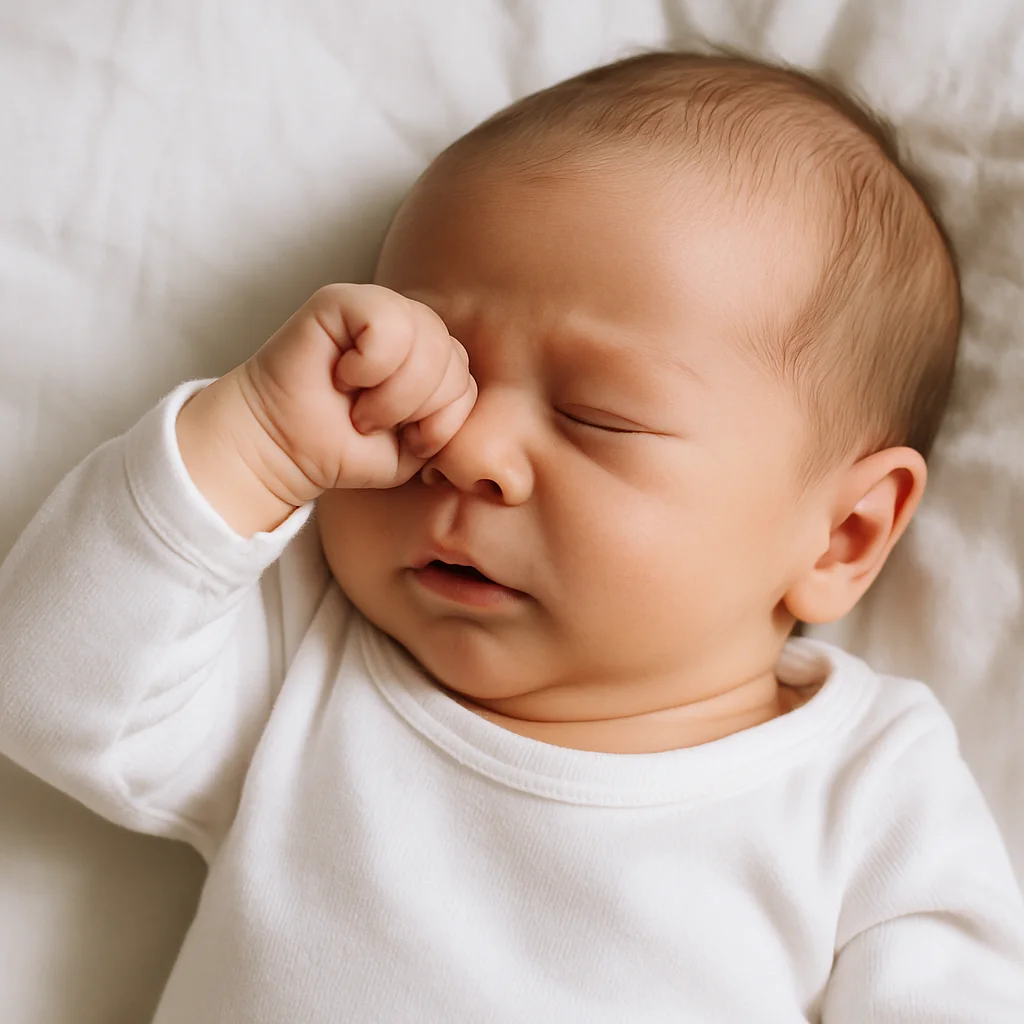
The Universal Signal: Why Newborns Rub Their Eyes
As a parent, you’re constantly trying to decipher your baby’s every coo, cry, and twitch. It’s like learning a new language, and one of the most common phrases you’ll encounter is the gentle, or sometimes not-so-gentle, rubbing of tiny fists against their eyes. This isn’t just a random reflex; it’s one of the earliest and most reliable sleep cues your newborn will offer. Think of it as their way of saying, “I’m getting tired, and I need some downtime.” It’s a primal instinct, deeply ingrained, and understanding it can be a game-changer for establishing healthy sleep habits right from the start. You’ll notice it often happens when they’re a bit overtired or transitioning between wakeful periods. It’s not always accompanied by yawning, which can be confusing, but the eye rubbing is a strong indicator. In my experience, parents who tune into this specific cue often find themselves ahead of the curve when it comes to soothing their little ones to sleep. It’s a subtle dance, but once you learn the steps, it becomes incredibly intuitive. This behavior is rooted in their developing nervous system and the way they process sensory input as they prepare to wind down.
Beyond the Rub: Other Signs Your Newborn is Ready for Sleep
While eye rubbing is a significant sleep cue, it rarely appears in isolation. Savvy parents learn to look for a constellation of signs that signal it’s time for a nap or bedtime. You might see increased fussiness, staring blankly into space, or a general loss of interest in their surroundings. Some babies become unusually quiet, while others might start to whimper or become clingy. Yawning, of course, is a classic. But don’t rely on just one sign; look for a cluster. For instance, if your baby starts rubbing their eyes, then lets out a big yawn, and then their gaze becomes unfocused, you’ve got a pretty clear green light for sleep. We often see parents trying to push through these early cues, wanting just a little more playtime or one more interaction. But in my professional observations, intervening before the overtired stage sets in is far more effective. Overtired babies are harder to settle, more prone to prolonged crying, and often have more fragmented sleep. Recognizing these subtle shifts in behavior allows you to proactively create a calm environment and initiate your soothing routine before your baby becomes overwhelmed. It’s about catching those golden windows of opportunity.
The Science Behind the Sleepy Eyes: Why Do Babies Rub Them?
So, what’s actually happening when your little one rubs their eyes? It’s a combination of factors. Firstly, as babies become tired, their bodies naturally release melatonin, the sleep hormone. This hormonal shift can create a feeling of pressure or fullness in their eyes, and rubbing provides some temporary relief. Secondly, their visual system is getting overloaded. They’ve been taking in a lot of new information – sights, sounds, even touch – and as they wind down, their brain needs a break from processing all that stimuli. Closing their eyes or rubbing them helps to block out external input. It’s a self-soothing mechanism, much like thumb-sucking or rocking. Think about it: when you’re exhausted, don’t you sometimes find yourself rubbing your own eyes? It’s a similar, albeit more developed, response. This physiological reaction is universal across newborns, regardless of their background or environment. It’s a built-in biological signal designed to help them transition from wakefulness to sleep. Understanding this biological basis can help parents feel more confident that they’re responding to a genuine need, not just a fussy whim. This innate behavior is crucial for their development and overall well-being, helping them to regulate their state and get the restorative rest they require.
Establishing a Sleep Routine: Leveraging the Eye Rub Cue
Once you’ve identified the newborn eye rubbing as a key sleep indicator, you can strategically incorporate it into your baby’s sleep routine. The goal is to create predictable patterns that signal to your baby that sleep is coming. When you see the eye rubbing, coupled with other sleepy cues, it’s your cue to initiate your wind-down process. This might involve dimming the lights, moving to a quieter space, singing a lullaby, or offering a gentle massage. Avoid overly stimulating activities at this point. The key is consistency. By responding promptly and consistently to these early sleep signals, you teach your baby that their cues are heard and that a calm, restful environment awaits them. This proactive approach, rather than waiting until the baby is crying inconsolably, can significantly reduce the struggle often associated with settling newborns. In the early weeks, routines are more about recognizing and responding to the baby’s needs than enforcing a rigid schedule. But by consistently linking the eye rubbing and other cues to a calming sequence of events, you lay the foundation for better sleep habits down the line. It’s about building trust and security, letting your baby know they are safe and cared for as they drift off.
Common Misconceptions About Newborn Eye Rubbing
It’s easy to misinterpret what’s happening when your baby rubs their eyes. Some parents worry it might be a sign of allergies, discomfort, or even pain. While it’s always wise to consult your pediatrician if you have concerns about your baby’s health, persistent eye rubbing without other signs of irritation (like redness, discharge, or swelling) is very often just a sign of tiredness. Another misconception is that babies only rub their eyes when they are overtired. In reality, eye rubbing can be an early cue, appearing well before overtiredness sets in. The trick is to catch it early. If you wait until your baby is crying and frantic, the eye rubbing might be mixed with other distress signals, making it harder to pinpoint the exact cause. Some parents also believe that if a baby rubs their eyes, they must be put down immediately, even if they are in a stimulating environment. While responding promptly is important, creating a calm transition is equally vital. Simply putting a tired baby into a bright, noisy nursery might not be effective. My advice? Treat the eye rub as an invitation to begin a calming pre-sleep ritual, not necessarily an immediate cue for lights out. This nuanced understanding helps manage expectations and reduces parental stress. It’s a signal, yes, but how you respond to that signal matters immensely.
When to Seek Professional Advice Regarding Eye Rubbing
While newborn eye rubbing is predominantly a sleep cue, there are instances where it warrants a conversation with your pediatrician. If the eye rubbing is accompanied by significant redness, swelling, discharge (clear, white, or yellow), or if your baby seems to be in pain or discomfort when their eyes are touched, these could indicate an infection (like conjunctivitis) or an allergy. Another red flag is if the eye rubbing is excessive, persistent throughout wakeful periods, and doesn’t seem linked to tiredness. Sometimes, vision problems can manifest in unusual eye movements or behaviors, though this is less common. Trust your parental intuition. If something feels off, it’s always best to get it checked out. Your pediatrician can rule out any underlying medical conditions and provide tailored advice. However, for the vast majority of cases, the eye rubbing you observe during sleepy times is perfectly normal and a sign your baby is communicating their need for rest. Don’t hesitate to bring it up at your next check-up, but try not to let it cause undue alarm. It’s a normal part of infant development and signaling. For example, if you notice your baby rubbing their eyes constantly during the day, even when they seem alert and engaged, that’s a different scenario than the eye rubbing that occurs just before they drift off to sleep. The context is everything.
The Role of {{businessName}} in Supporting Your Baby’s Sleep
Navigating the world of newborn sleep can feel overwhelming, but resources like {{businessName}} are here to help {{businessLocation}} families. As a leading {{businessType}}, we understand the critical importance of establishing healthy sleep habits from day one. We offer a range of products designed to create the optimal sleep environment for your little one. From blackout curtains that mimic the nighttime darkness, crucial for melatonin production, to white noise machines that help mask startling household sounds and create a soothing auditory backdrop, our selection is curated with infant sleep science in mind. You might also find our swaddles and sleep sacks beneficial for providing a sense of security, replicating the womb-like environment that can help calm a fussy baby. We believe that by providing parents with the right tools and information, we can empower them to better understand and respond to their baby’s needs, including those subtle sleep cues like eye rubbing. Our website, {{businessWebsite}}, is a treasure trove of information, offering tips, guides, and product recommendations to support your journey. We’re committed to helping families like yours achieve more peaceful nights and happier days. Remember, a well-rested baby is often a happier, healthier baby, and we’re dedicated to making that a reality for you. Our expert team is always available to offer personalized guidance, ensuring you find the perfect solutions for your unique situation.
Practical Tips for Responding to Newborn Eye Rubbing
So, you see the eye rubbing. What next? Here are some practical, actionable steps you can take: 1. Observe and Confirm: Is it accompanied by other sleepy cues like yawning, fussiness, or staring? If yes, proceed. 2. Dim the Lights: Lower the ambient light in the room. This signals to the brain that it’s time to wind down. 3. Reduce Stimulation: Move away from noisy or bright areas. Limit interaction; avoid intense eye contact or playful tickling. 4. Initiate Your Routine: Start your consistent, calming pre-sleep ritual. This could be a gentle song, a quiet cuddle, a diaper change, or dressing them in their sleep sack. 5. Offer Comfort, Not Play: If you need to pick them up, do so calmly. Hold them close, perhaps in a side-lying position, and offer gentle patting or shushing. 6. Create a Sleep-Conducive Environment: Once they are drowsy, place them in their safe sleep space (crib or bassinet). Ensure the room is dark, quiet (or has white noise), and at a comfortable temperature. 7. Be Patient: Not every baby goes down easily. Sometimes they need a little extra soothing. The key is to remain calm yourself, as your stress can transfer to the baby. My personal take? The less you do right when you see the eye rubbing, the better. The goal is to transition them gently, not to engage in a full-blown bedtime routine that might accidentally wake them further. Think of it as a gentle nudge towards sleep. It’s about creating the opportunity for sleep. This approach helps build independent sleep skills over time, rather than creating a dependency on constant parental intervention for every sleep cycle. It’s a delicate balance, but achievable with practice and consistency.
Conclusion: Mastering the Art of Sleep Cues
Understanding newborn eye rubbing is more than just recognizing a physical action; it’s about tuning into your baby’s fundamental communication. This seemingly simple behavior is a powerful signal, a clear indicator that your little one is approaching their sleep threshold. By learning to identify this cue, alongside other subtle signs, you equip yourself with the knowledge to proactively support your baby’s need for rest. Responding promptly and consistently to these early signals can transform the often-challenging task of settling a newborn into a more harmonious experience. It fosters a sense of security for your baby and builds your confidence as a parent. Remember, consistency is key. Integrate these observations into a calming, predictable pre-sleep routine. If you’re in the {{businessLocation}} area and looking for guidance or products to enhance your baby’s sleep environment, {{businessName}} is here to support you. Explore our offerings at {{businessWebsite}} and let us help you navigate the beautiful, sometimes exhausting, journey of early parenthood. Don’t underestimate the power of these early cues; mastering them is a significant step towards establishing healthy sleep habits that will benefit your child for years to come. Take a deep breath, observe your little one, and trust the process. You’ve got this. The journey of understanding your baby’s unique needs is one of the most rewarding aspects of parenting, and mastering their sleep cues is a vital part of that journey.
Resources
American Academy of Pediatrics. (n.d.). Sleep: How Much Sleep Do Babies and Children Need?* https://www.healthychildren.org/English/healthy-living/sleep/Pages/How-Much-Sleep-Do-Babies-and-Children-Need.aspx
Mayo Clinic. (2023, October 14). Infant and toddler health: Sleep habits.* https://www.mayoclinic.org/healthy-lifestyle/infant-care/in-depth/baby-sleep/art-20045045
Frequently Asked Questions (FAQ)
Why does my newborn rub their eyes so much?
Newborns rub their eyes primarily as a sleep cue. As they get tired, their eyes can feel heavy or pressured, and rubbing provides a temporary sensation of relief. It’s also a way for them to block out visual stimuli as their brain prepares to rest. While it can sometimes be related to allergies or irritation, in the context of sleepy behavior, it’s usually just a sign they need to nap.
Is eye rubbing a sign of overtiredness or early sleepiness?
Newborn eye rubbing can be an early indicator of sleepiness. It’s often one of the first signs that your baby is beginning to feel tired, sometimes even before they start yawning or becoming fussy. Catching this early cue allows you to initiate a calming routine before they become overtired, which can make settling them down much easier.
What should I do when I see my baby rubbing their eyes?
When you notice your newborn rubbing their eyes, it’s a signal to start a gentle wind-down process. Dim the lights, reduce noise and stimulation, and begin your consistent, calming pre-sleep routine. This might include a quiet cuddle, singing a lullaby, or swaddling them. The goal is to transition them calmly towards sleep.
Could my baby’s eye rubbing indicate an allergy or infection?
While possible, it’s less common for simple eye rubbing before sleep to be caused by allergies or infections. If the eye rubbing is accompanied by redness, swelling, discharge, or if your baby seems uncomfortable, consult your pediatrician. However, if it only occurs when they are tired and lacks these other symptoms, it’s most likely a sleep cue.
How can I help my baby sleep better if they rub their eyes a lot?
Respond consistently to the eye-rubbing cue by starting your soothing routine. Ensure their sleep environment is conducive to sleep: dark, quiet, and at a comfortable temperature. Establishing a predictable schedule and routine, even in the early weeks, helps your baby learn to associate certain activities and environments with sleep, making the process smoother over time.
Is it okay to let my baby rub their eyes if they seem tired?
Yes, it’s not only okay, but it’s beneficial to respond to this cue. Allowing your baby to act on their sleep signals, like eye rubbing, helps them fall asleep more easily and can prevent them from becoming overtired. Simply ensure you are creating a calm and supportive environment for them to transition into sleep.