
Beyond the Tears: Recognizing Tired Baby Signs for a Happier Little One
As a parent, one of the most baffling, and let’s be honest, exhausting, parts of early parenthood is deciphering your baby’s needs. They can’t tell you they’re hungry, uncomfortable, or, crucially, sleepy. While crying is often the loudest signal, it’s actually a late sign of distress. The real magic happens when you learn to read the subtle cues that signal your little one is hitting their sleep limit. Recognizing tired baby signs isn’t just about getting them to sleep faster; it’s about understanding their developmental cues, preventing overtiredness (which ironically makes sleep harder), and ultimately fostering a more harmonious routine for everyone. My experience, working with countless families in {{businessLocation}}, has shown me that mastering these early signals can be a game-changer. It transforms bedtime battles into peaceful transitions. So, let’s dive into the world of sleepy cues – the ones that whisper before they have to shout.
The Obvious (But Often Missed) Cues: Rubbing Eyes and Yawning
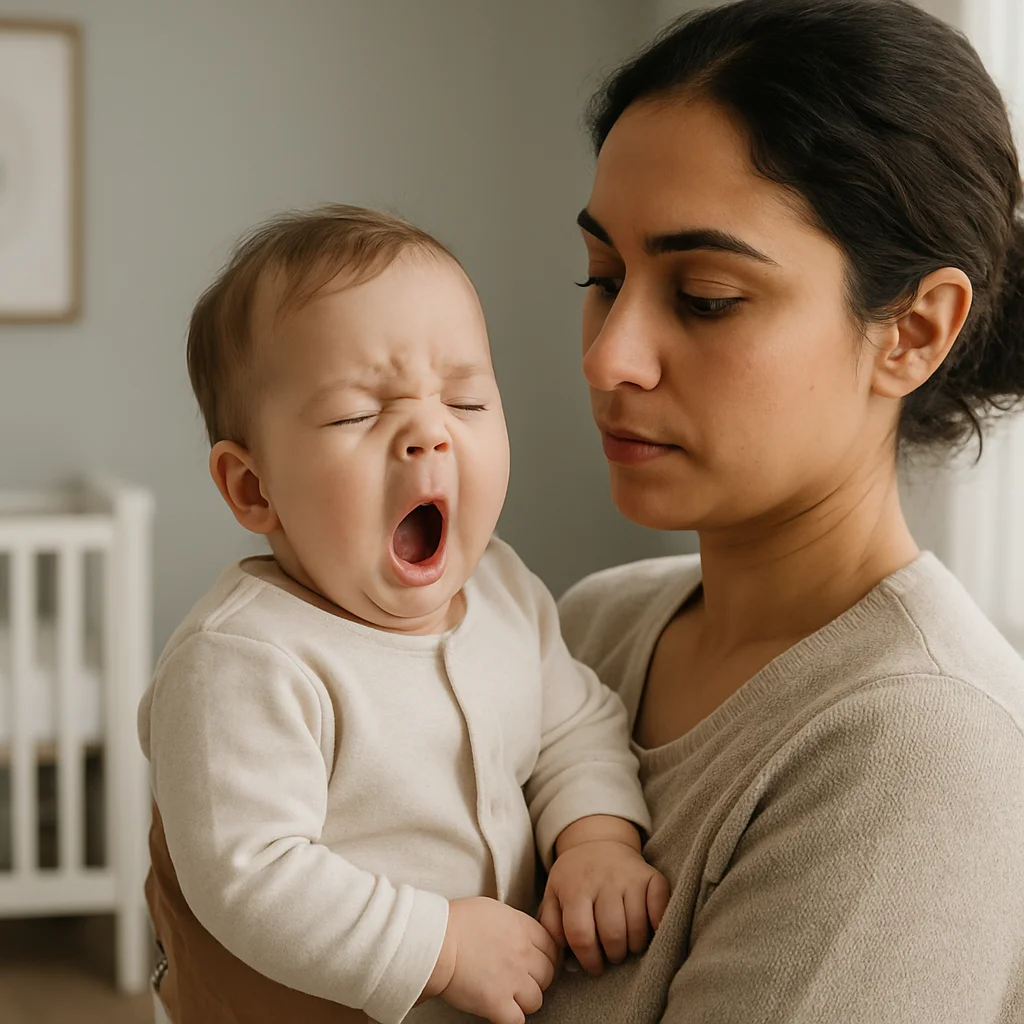
You’ve probably seen it a million times: your baby rubs their eyes with their tiny fists, or lets out a little yawn that seems too big for their face. These are classic, textbook signs of tiredness. Think of it as their body’s natural way of saying, ‘Okay, I’m starting to wind down.’ My professional observation is that parents often dismiss these initially, perhaps because they’re so common. But here’s the thing: these are the first alarms. If you catch these early, you’re in a prime position to start your wind-down routine before your baby gets truly overtired. Overtiredness is a tricky beast. When a baby is overtired, their system floods with stress hormones like cortisol and adrenaline. This makes it much harder for them to fall asleep and stay asleep. So, that innocent yawn? It’s a golden ticket to a peaceful nap. Similarly, the eye-rubbing isn’t just about physical discomfort; it’s a neurological response as their brain prepares for rest. In the world of infant sleep, catching these early indicators is like finding a treasure map. It guides you directly to a successful sleep period. At {{businessName}}, we emphasize these foundational cues because they are the most accessible entry point for parents new to sleep science. Don’t underestimate the power of a simple yawn!
Beyond the Face: Subtle Body Language of a Sleepy Baby
While eye-rubbing and yawning are clear indicators, babies communicate their sleepiness through a variety of other body language signals. You might notice them becoming less engaged with their surroundings. Toys that were once fascinating might be ignored. Their playful energy might dissipate, replaced by a more subdued demeanor. Some babies might become clingy, wanting to be held and comforted, which is their way of seeking security as they prepare to rest. Others might become fussy or irritable – this is often a sign they’ve just passed the optimal sleepy window and are starting to feel the effects of overtiredness. You might also observe a change in their movements; they could become more jerky or uncoordinated, or conversely, very still and quiet. Another subtle sign is a glazed-over look in their eyes, as if they’re staring into space. This happens as their focus shifts inward, preparing for sleep. Observing these nuances takes practice and keen attention. It’s about building a deep connection with your child and learning their unique communication style. In my work at {{businessName}}, I’ve seen parents become incredibly adept at spotting these subtle shifts. They learn to interpret the slight droop of their baby’s shoulders, the way their gaze softens, or the sudden quietness that descends. These aren’t just random behaviors; they are deliberate signals from a body that is ready for rest. Tuning into this non-verbal language is key to proactive sleep support.
The Ears and Mouth: More Clues to a Tired Baby
Don’t forget to check the ears and mouthbefore the crying starts. Think of it as building a comprehensive ‘tiredness vocabulary’ for your baby. These signals, when understood, allow for timely naps and smoother sleep transitions, preventing the cycle of overtiredness that can plague so many families.
Behavioral Shifts: Irritability, Clinginess, and Withdrawal
As babies move from mildly tired to overtired, their behavior often undergoes a noticeable shift. Initially, they might just seem a little ‘off.’ But as fatigue sets in, you’ll likely see increased fussiness and irritability. They might cry more easily, be harder to console, and generally seem unhappy. This is your baby’s system screaming for resttoo much stimulation and not enough rest is key. It’s not that your baby is being ‘difficult’; they are simply communicating that their body needs a break. Recognizing these behavioral changes allows for a more compassionate and effective approach to sleep. Instead of pushing through, you can pause, comfort, and initiate a calming routine to help them finally get the rest they desperately need. This proactive approach prevents the escalation of overtiredness and promotes a more positive sleep experience overall.
The ‘Wired But Tired’ Phenomenon: A Common Pitfall
Ah, the ‘wired but tired’ baby. This is perhaps one of the most frustrating stages for parents because the baby looks energetic, maybe even hyperactive, yet they are clearly exhausted. This state is a direct result of overtiredness and the subsequent release of stress hormones. When a baby misses their optimal sleep window, their body essentially goes into ‘fight or flight’ mode. Their heart rate increases, their muscles tense, and they can appear more alert and active than ever. It’s like they’ve had a jolt of caffeinenot a sign that they aren’t tired; it’s a sign they are too tired to easily transition to sleep. My colleagues and I at {{businessName}} often encounter families struggling with this. They see their baby playing energetically and think, ‘Oh, they must not be tired after allbefore this ‘wired’ state sets in is crucial. If you do find yourself with a wired-but-tired baby, the best approach is a calm, dark, quiet environment and a very soothing, predictable wind-down routine. Avoid overstimulation. Focus on gentle rocking, soft shushing, and dim lighting. Sometimes, a warm bath can help signal the transition from ‘wired’ to ‘sleepy.’ Understanding this phenomenon is vital because it flips the script on what parents might intuitively think. Energy doesn’t always equal alertness; in babies, extreme energy can be a desperate sign of exhaustion. We’ve seen significant improvements in sleep patterns for families in {{businessLocation}} once they learn to identify and address this ‘wired but tired’ stage effectively.
When to Act: The Importance of Optimal Sleep Windows
Understanding when your baby is most likely to fall asleep easily is just as important as recognizing the signs. These ‘sleep windows’ are periods when your baby’s body is naturally primed for rest. Missing these windows, especially consistently, leads to overtiredness and the challenges we’ve discussed. For newborns (0-3 months), sleep windows are frequent and short, often appearing every 45-60 minutes. As they grow, these windows become longer and less frequent. A general rule of thumb is that a baby will show sleepy cues roughly 1.5 to 3 hours after waking, depending on their age. For example, a 6-month-old might be ready for a nap 2-2.5 hours after waking. However, every baby is different. You need to observe your baby’s unique pattern. Are they consistently showing sleepy cues around the 2-hour mark after waking? That’s likely their optimal window. Acting on these cues within that window is key. If you wait too long, they can become overtired. Think of it like catching a wave – you need to paddle out at the right time to ride it smoothly. If you miss it, you’ll be left struggling. At {{businessName}}, we help parents track their baby’s wake windows and sleep cues to identify these optimal times. This proactive approach, rather than a reactive one (waiting for the crying to start), makes a world of difference. It’s about working with your baby’s natural rhythms, not against them. Consistent timing based on observed cues leads to more predictable sleep, fewer battles, and a more rested baby (and parent
Creating a Sleep-Inducing Environment: Beyond the Cues
Once you’ve recognized the tired baby signs and are ready to act, the environment plays a crucial role. A sleep-inducing environment signals to your baby that it’s time to wind down and rest. This means creating a space that is conducive to sleep. Firstly, darkness is paramount. Darkness triggers the release of melatonin, the sleep hormone. Blackout curtains are your best friend here, especially for daytime naps. Even a little bit of light can disrupt sleep. Secondly, temperature matters. A slightly cool room, generally between 68-72°F (20-22°C), is ideal for sleep. Dress your baby appropriately, avoiding overheating. Thirdly, sound can be a double-edged sword. While a quiet room is often assumed to be best, many babies sleep better with consistent, low-level white noise. This can mimic the sounds they heard in the womb and help mask sudden household noises that might otherwise startle them awake. Ensure the white noise machine isn’t too loud and is placed safely away from the crib. Finally, routine is the glue that holds it all together. A predictable, calming bedtime routine (and nap routine) signals to your baby that sleep is coming. This could include a warm bath, a gentle massage, reading a book, singing a lullaby, and a final feeding. Keep the routine consistent and relatively short (15-30 minutes). At {{businessName}}, we stress that the environment and routine work hand-in-hand with recognizing tired baby signs. You can have the clearest understanding of sleepy cues, but if the environment is too stimulating or the routine is chaotic, sleep can still be a struggle. Think of it as creating a sanctuary for sleep. This consistent, predictable approach helps your baby feel secure and understand that it’s time to rest, making the transition from awake to asleep much smoother. A well-prepared environment reduces the effort needed to settle your baby once they are showing sleepy signs.
Putting It All Together: A Proactive Approach to Baby Sleep
Recognizing tired baby signs is the first step towards fostering healthy sleep habits. It’s about moving from a reactive approach – waiting for the inevitable crying fit – to a proactive one, where you anticipate your baby’s needs. By learning to identify those subtle cues like eye-rubbing, yawning, fussiness, or withdrawal, you can intervene before overtiredness sets in. This means catching those optimal sleep windows, creating a calming sleep environment, and implementing a consistent wind-down routine. Remember, your baby is communicating with you constantly, even if they can’t use words. Tuning into their body language, their energy levels, and their behavioral shifts allows you to respond effectively. It takes practice, patience, and a willingness to observe. Over time, you’ll become an expert at reading your own unique child. At {{businessName}}, our goal is to empower parents with this knowledge. We believe that understanding baby sleep isn’t about rigid schedules or ‘sleep training’ methods that ignore a baby’s needs, but about building a responsive relationship based on understanding and meeting their cues. A well-rested baby is a happier baby, and a well-rested baby leads to a happier family. So, start observing today. Look for the subtle signs, honor your baby’s need for rest, and you’ll be well on your way to smoother sleep for everyone. Embrace the journey of understanding your little one; it’s one of the most rewarding aspects of parenthood.
Sources
- American Academy of Pediatrics. (n.d.). Sleep in Infants and Children. HealthyChildren.org. Retrieved January 8, 2026, from https://www.healthychildren.org/English/healthy-living/sleep/Pages/Sleep-in-Infants-and-Children.aspx
- Mayo Clinic Staff. (2023, October 19). Baby sleep: How much is enough? Mayo Clinic. Retrieved January 8, 2026, from https://www.mayoclinic.org/healthy-lifestyle/infant-care/in-depth/baby-sleep/art-20045046
Frequently Asked Questions (FAQ)
What are the most common signs my baby is tired?
The most classic signs include rubbing their eyes, yawning, and becoming fussy or irritable. Other indicators are pulling at their ears, sucking on their hands or fingers even when not hungry, and a general decrease in engagement with their surroundings. Recognizing these early cues is crucial for preventing overtiredness. At {{businessName}}, we often start by teaching parents to look for these fundamental signals.
My baby seems energetic, but I think they’re tired. What’s going on?
This is often referred to as being ‘wired but tired.’ It happens when a baby becomes overtired, and their system releases stress hormones like cortisol and adrenaline. This can make them appear hyperactive or more alert, but it actually makes it much harder for them to settle and fall asleep. The key is to catch them before they reach this stage by recognizing earlier sleepy cues.
How can I tell if my baby is overtired?
An overtired baby often exhibits increased irritability, prolonged crying that’s difficult to console, arching their back, becoming rigid, or having difficulty making eye contact. They might also seem hyperactive or have a ‘glazed-over’ look. This state signifies that they’ve missed their optimal sleep window and their body is struggling to wind down.
Is it better to let my baby ‘cry it out’ if they seem tired but won’t sleep?
For very young infants, ‘crying it out’ is generally not recommended and can be counterproductive, especially if they are overtired. Focusing on recognizing tired baby signs and implementing a consistent, calming routine in a supportive environment is a more effective approach. Our philosophy at {{businessName}} centers on responsive parenting and understanding your baby’s cues rather than forcing sleep.
How often should a baby of 6 months nap?
Around 6 months, most babies are transitioning to a schedule of 2-3 naps per day. The timing of these naps is crucial and usually falls within a wake window of about 2 to 2.5 hours after they wake up. Observing your baby’s specific tired cues will help you pinpoint the best time to initiate their nap routine within these windows.
What’s the best environment for my baby to sleep in?
An optimal sleep environment is dark (use blackout curtains), cool (around 68-72°F or 20-22°C), and potentially includes consistent white noise to mask sudden sounds. A predictable, calming bedtime routine lasting 15-30 minutes is also essential. This structured approach helps signal to your baby that it’s time to wind down and rest, complementing the recognition of tired baby signs.